Showing posts with label milestones. Show all posts

Tuesday, 3 September 2019

Unomgcana.

https://babalorozani.blogspot.com/2019/09/unomgcana.html
Unomgcana: 
Figure 1 - Unomgcana (a newly married man) on his wedding day (reference)

Unomgcana is the last stage of a Xhosa man milestones I will be discussing. This is a married man between the age of 35 - 50 years. It is the stage where he has taken a wife and built a homestead. His main roles are to protect and provide.

I will be looking at his attire which signifies the status of his manhood and the significant role it plays as a married man. Traditionally he would wear a collection of over 75 pieces on his wedding day (see Figure 1), each with a specific name (Broster 1967) eg. Isivalo, idiliza, isiyeye, inkciyo, ithumbu, vulwakabini, isigcina, inqhonqo and umgcebo. Some of these he would wear every day, such as the vulwakabini which has significant colour combinations, tie like with triangular patterns on it and (ingqosha) the big necklace underneath the tie necklace (see figure 2). I want to use these colours and patterns as a reference for designing my own jewellery.


Figure 2 - a married man on his every day look wearing Vulwakabini, the tie necklace and underneath ingqosha necklace.

Umfana.

https://babalorozani.blogspot.com/2019/09/umfana.html
Umfana:   


Figure 1 - This is a xhosa man wearing several necklaces, (iphoco) a rectangular necklace, (From the 1976 publication: The Republic of TRANSKEI - Published by Chris van Rensburg Publications, Ltd).
figure 2 - image of a neck ornament iphoco.  Neck Ornament (Iphoco), 1930s-1940s. Glass seed beads, fiber, 3 1/2 x 2 3/4 in. (8.9 x 7.0 cm). Brooklyn Museum, Gift of Mr. and Mrs. Lee Lorenz, 1996.202.13. Creative Commons-BY (Photo: Brooklyn Museum, CUR.1996.202.13_overall.jpg)

Umfana is the 6th stage of the Xhosa man milestones I will be discussing. It refers to a young man, this is at the age of 25-35, he is a worrier. This is a stage where he is eligible to look for a wife.

Umfana's other roles are hunting and protecting his home and community. In this stage, I will be looking at what he is wearing, a beaded headband, a halo that plays a significant role in protecting him, he is wearing several necklaces, one particular the rectangular necklace,(Iphoco) (see fig 2) which is a symbol of graduation from being ikrwala, he is carrying a bag with a smoking pipe and tobacco (see fig 1)

Figure 3 - This is Umfana (a young man) on his bachelor activities trying to court young girls. Here he is with two young girls by the river. (the magic world of the xhosa)

He wears a kilt like skirt that shows a special significance as it was given to him by his sweetheart (see fig 2). According to (Elliot 1967:75) “This defines his boast that he has made the conquest of a heart to his friends”. I will be looking at the abundance of beadwork he wears, its association with his status and its significance of his status in his community.


Ikrwala.


Ikrwala:


Figure 1 - This is Ikrwala (a little unimportant man) he is wearing a western style outfit and he is smeared with red ochre from head to toe carrying a stick.. 

The fifth stage of the Xhosa man milestone I will discuss is Ikrwala. It refers to a young unimportant man. A newly graduate initiated young Xhosa male to manhood. This is at the age around 25-35 years old.

Ikrwala wears a western-style outfit of clothes, in which he will eventually go out in the world. The graduate is then referred to as Ikrwala (a little un important man). Every day for a year he has to refresh his red ochre, he has to walk slowly, he may not run, as that is regarded as arrogant. Ikrwala has to demonstrate his humility. (See fig 1). According to (Elliot 1969:137) “after 3 months, he has to give away his clothes and after 3 years, he can look for a wife”. In this stage, I will be looking at the significance of his behaviour at this stage of his milestone as a young unimportant man.

https://babalorozani.blogspot.com/2019/09/ikrwala.html

Monday, 2 September 2019

Umkhwetha.

https://babalorozani.blogspot.com/2019/09/umkhwetha.html
Umkhwetha: (Initiate of manhood)


Figure 1 - This is an Umkhwetha an initiate in training. he has a shaved head and he is smeared with white clay from head to toe.

Figure 2- These are initiates (abakhwetha) sitting in front of their grass hut wearing blankets for warmth with their faces smeared with white clay.

The fourth stage of the Xhosa man milestones I will discuss is Umkhwetha. It refers to initiate of manhood. This stage refers to ages of 18-25 years old. This is the stage of ending adolescence; it is a process in the form of circumcision.

The abakhwetha (initiates-in-training) live in special grass huts (see fig 2) isolated from villages or towns for several weeks. (Elliot 1967) “they are like soldiers inducted into the army, they have their heads shaved” (see fig 1). They wear a loincloth and a blanket for warmth (see fig 2). White clay is smeared on their bodies from head to toe (see fig 1). They are expected to observe numerous taboos (prohibitions) and to act deferentially to their adult male leaders. Different stages in the initiation process are marked by the sacrifice of a goat. I will be focusing at the way they look at this stage, the look that signifies their status, the white clay, the blanket, the significance of this stage in his milestones to design a piece or pieces of jewellery that will be an adornment attached to his status.

Inkwenkwe.

https://babalorozani.blogspot.com/2019/09/inkwenkwe.html

Inkwenkwe: 


Figure 1 -  This is Inkwenkwe, a young boy looking after the lamb.


Figure 2 - This is a boy heading cows, wearing attire that is incorporated with goat skin.

Inkwenkwe is the third stage of the Xhosa man milestone I will be discussing. it refers to a boy from 6 – 13 years.
Boys make the most of their boyhood roaming many miles along the country side, looking after livestock (see fig 1) in particular they learn everything is there to learn about the natural environment, names and kinds of birds, names of animals and their behaviour, kinds of wood, which are the strong, names of trees, which are the sticks good for hunting. you can make a simply distinction of a boy by a care free attitude and by wearing less clothing which is particularly a skirt made out of a goat skin (see fig 2), he may always carry a stick showing that he is responsible for heading livestock. I will be looking at his young life story to narrate pieces of jewellery that will signify his status as a boy.


Inkulu.

Inkulu: (first born boy of the family)

Figure 1 - This is Inkulu the first born son of the family.

Figure 2 -  Siblings, the older child is Inkulu, the first born son of the family. 

The second stage of the Xhosa man milestones I will discuss is Inkulu. It refers to a baby from 0 - adulthood. Inkulu is the title given to the firstborn son of his family, he is then referred to as Inkulu, (the firstborn son). Inkulu does wear some distinctive adornments to show that he is the firstborn son (see fig 1), he is wearing (isidlokolo) a beaded necklace that has some sort of a root of a certain tree embodied on the beaded necklace, this is a sign that he will be a major beneficiary of his family estate, not only his father’s cows but also his father’s responsibilities. I will be looking at the adornments that signify his status and the role of their significance including their beauty and aesthetic appreciation.


https://babalorozani.blogspot.com/2019/09/inkulu.html

izibulo.

https://babalorozani.blogspot.com/2019/09/izibulo.html

izibulo: (first born child)


Figure 1 - This is a first born child of a family, Umntwana.


Figure 2 - This is a young mother with her first born child. she is wearing two necklaces. and her first born child is wearing string of beads called (Amaso) on his waist and a necklace similar to one of her mother’s necklaces.

figure 3 - a string of beads called (amaso)
figure 4 - a necklace of small round lengths of apanthous root worn by the young mother.


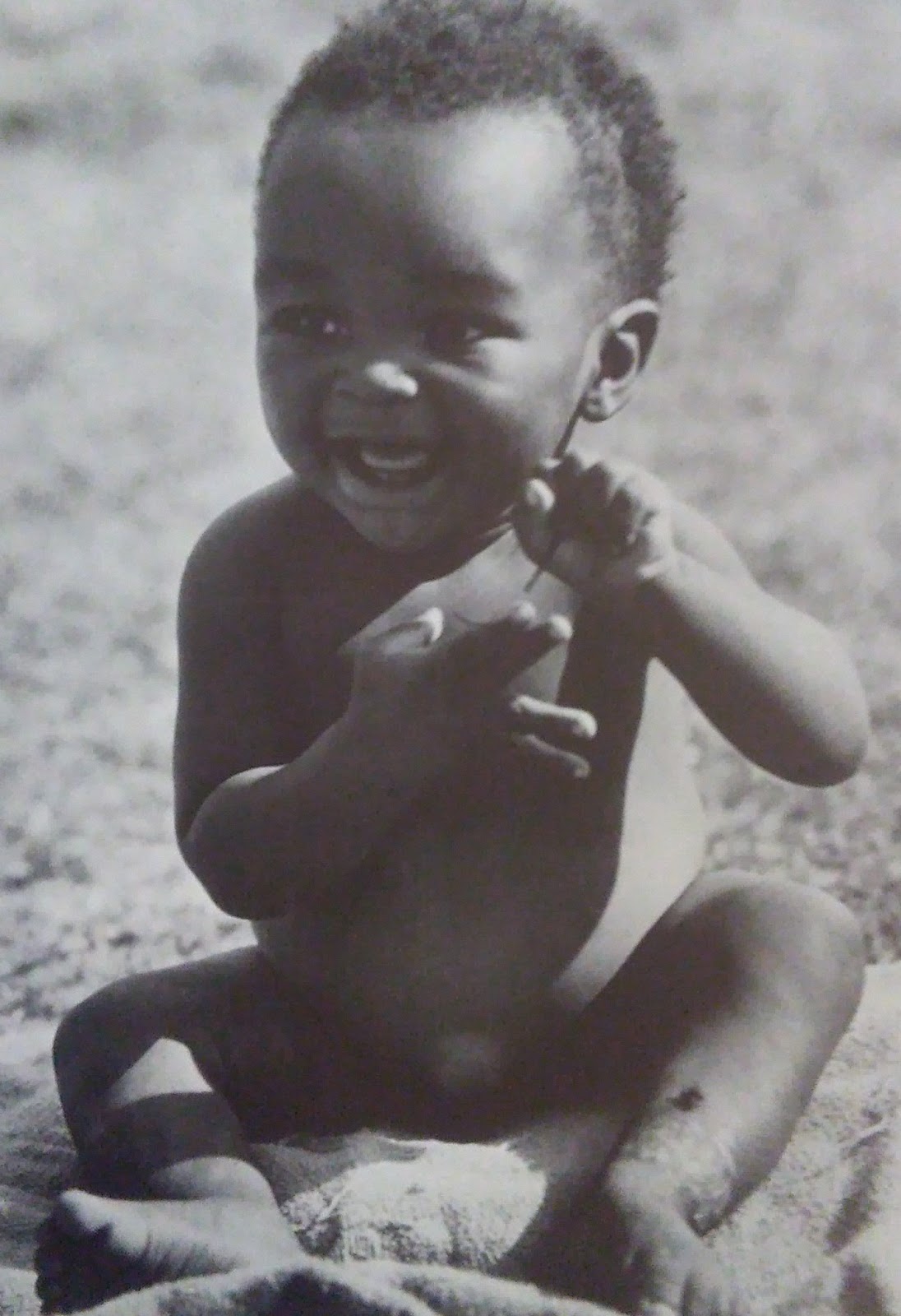
The first stage I will discuss of the Xhosa man milestones is Umntwana (child). It refers to a baby from 0 -3 years old.

Izibulo (first born) Is the name that refers to a first born baby of a family. Izibulo do not wear any distinctive adornments to show that he is the first born (see fig 1), but his mother does wear adornments that are associated with her first born child. Umntwana wears  a string of beaded (Amaso) on his waist of which these beads come from a specific tree. (see fig 3).

According to (Elliot 1967:57) “The string of beads worn by the child on his waist called (amaso) (see fig 3)are believed to offer magical powers and protection to the child”. He also confirms that “a necklace of small round lengths of apanthous root (see fig 4)as thick as her finger and nearly as long, each usually painted white with clay or chalk worn by the young mother is the sign that she is nursing her first child” (see fig 2). I will be looking at these pieces of jewellery that signifies his status and the role they play in his young life.
.

Wednesday, 28 August 2019

Unomgcana.

Unomgcana: newly married man.


This is Unomgcana (a newly married man.) on his wedding day with his newly wedded wife(umakoti) the man keeps his headband and he is now wearing a long necklace 
Unomgcana is the last stage of a Xhosa man milestones I will be discussing. This a man at an age of 35- 50 years, Unomgcana is a married man, this is a stage where has taken a wife and has built a homestead. His main roles are to protect and provide, he is wearing a collection of over 75 individual pieces of beadwork each piece having a name. (Isivalo, idiliza, isiyeye, inciyo, ithumbu, isigcina, inqhonqo, umgcebo, mgu, vulwakabini, isidlokolo, itema. According to Boaster J (1967: 17,18,19) she highlights that a craft of beadwork has accepted design and motif, the beauty of which is rich in imagination and aesthetic appreciation, meaning not all bead work has rituals or traditional significance, most Xhosa beadwork is worn for its beauty and appreciation. I will be looking at this status of his manhood and the significance of what he is wearing related to his status as a married man.


Tuesday, 20 August 2019

Umfana.

Umfana. (a young man.)


this is Umfana (a young man) he is wearing a beaded headband, several necklaces, one particular long turquoise blue necklace,(isidanga) a symbol of graduation, he is also carrying a bag showing that he is now a man who owns something, he also carrying a stick with his hand covered by a small blanket which is a symbol that he is ready to fight. he is also wearing elbow bands (isitolomu) that are believe to have muthi(medicine) that protects him when he fights.

this is Umfana(a young man) on his bachelor activities trying to court young girls. here he is with two young girls by the river.

Umfana is the last stage of the Xhosa man milestones I will be discussing. It refers to a young man, this is at the age of 25-35, he is wearing a beaded headband, according to Elliot A(1967)this is a halo that protects him, as a warrior, he also is wearing several necklaces, one particular long turquoise blue necklace,(Isidanga) a symbol of graduation, he is also carrying a bag showing that he is now a man who owns something like smoking pipe, tobacco, he is wearing a kilt like skirt that shows a special significance as it was given to him by his sweetheart, according to Elliot A. (1967:75) This defines his boast that he has made the conquest of a heart to his friends. As this is a stage where he is illegible to look for a wife. Umfana other roles are hunting and protecting his home and community.


Thursday, 15 August 2019

umkhwetha.

https://babalorozani.blogspot.com/2019/08/umkhwetha.html

Umkhwetha.


This is a Umkhwetha an initiate in training. he has a shaved head and he is smeared with white clay from head to toe.(figure 1)

These are initiates (abakhwetha) sitting in front of their grass hut wearing blankets for warmth with their faces smeared with white clay.(figure 1)

Umkhwetha is a Male initiate. this is the stage ending adolescence it is a process in the form of circumcision. The abakhweta (initiates-in-training) live in special huts isolated from villages or towns for several weeks. Like soldiers inducted into the army, they have their heads shaved(see fig 1). They wear a loincloth and a blanket for warmth. White clay is smeared on their bodies from head to toe(see fig 2). They are expected to observe numerous taboos (prohibitions) and to act deferentially to their adult male leaders. Different stages in the initiation process are marked by the sacrifice of a goat.

https://babalorozani.blogspot.com/2019/08/umkhwetha.html

Inkweknwe.

inkwenkwe: a boy.


This is inkwenkwe, a young boy looking after the a lamb. (figure 1)

This is a boy heading cows, wearing attire that is incorporated with goat skin. (figure 2)


Inkwenkwe is the third stage I will be discussing, it refers to a boy from 6 – 13 years. Boys make the most of their boyhood roaming many miles along the country side, looking after livestock (see fig
1)in particular they learn everything is there to learn about the natural environment, names and kinds of birds, names of animals and their behaviour, kinds of wood and which are the strong, names of trees and which are the sticks good for hunting. you can make a simply distinction of a boy a care free attitude and by wearing less clothing which is particularly a skirt made out of a goat skin (see fig 2), he may always carry a stick showing that he is responsible for heading livestock.

Inkulu.

Inkulu.

this is Inkulu the first born son of the family wearing distinctive adornments that separates him from other boys or his siblings.. (figure 1)

Siblings, the older child is Inkulu, the first born son of the family. he is wearing a beaded necklace embodied with a distinctive design that incorporates a root of a tree symbolising his status as a boy who will inherit his family estate.(figure 2)


The second stage of the Xhosa man milestones I will discuss is Inkulu. It refers to a baby from 0 - adulthood. Inkulu is the title given to the firstborn son of his family, he is then referred to as Inkulu, (the firstborn son). Inkulu does wear some distinctive adornments to show that he is the firstborn son (see fig 1), he is wearing (isidlokolo) a beaded necklace that has some sort of a root of a certain tree embodied on the beaded necklace, this is a sign that he will be a major beneficiary of his family estate, not only his father’s cows but also his father’s responsibilities. I will be looking at the adornments that signify his status and the role of their significance including their beauty and aesthetic appreciation. 

Tuesday, 13 August 2019

Izibulo.

Izibulo.

This is a first born child of a family, Umntwana.(figure 1)

This is a young mother wearing a necklace of small round lengths of root as thick as her finger and nearly as long, each painted white with clay or chalk. The necklace is the sign that she is nursing the birth of her first child. The second necklace she wears is made from hair from a tail brush of “cow of the home” to keep away evil spirits from her. The child is also wearing a string of beaded Amaso on his waist. (figure 2)

The necklace of small round lengths of root as thick as her finger and nearly as long, each painted white with clay or chalk, is worn by a young mother who is child nursing her first born top necklace. The tiny necklace of hair third on the picture is worn by the mother and a child; the hair comes from the cows hair but different cows, child hair comes from the brush of the father’s cow. and mother hair comes from a family 


The first stage I will discuss is Umntwana. It refers to a baby from 0 -3 years old. Umntwana wears a tiny necklace of hair, and a string of beaded amaso on his waist as can be seen in (see fig 2). It is a necklace made from a tree that produces beads and is known as amaso, the necklace and the beads are believed to offer magical powers and protection to the child.

If the baby is the firstborn it is referred to as Izibulo,(the firstborn). Izibulo does not wear any distinctive adornments to show that he is the firstborn (see fig 1), but his mother does wear an adornment that is associated with her firstborn child, a necklace of small round lengths of root as thick as her finger and nearly as long, each painted white with clay or chalk. The necklace is the sign that she is nursing the birth of her first child (see fig 2). The second necklace she wears is made from hair from a tail brush of “cow of the home” to keep away evil spirits from her (see fig 3) the third necklace from the top. the child also wears a necklace similar to the hair necklace his mother wore but his necklace hair comes from the brush of his father’s cow. (see fig 3) and it is believed to help with his well being and to chase evil spirits.

https://babalorozani.blogspot.com/2019/08/izibulo.html


Wednesday, 17 July 2019

Xhosa social and cultural issues influencing contemporary jewellery.


MAXHOSA BY LADUMA is a South African knitwear brand founded in 2012 by Laduma Ngxokolo. This was with desire to explore knitwear design solutions that would be suitable for amakrwala (Xhosa initiates). His initial vision was to create a modern Xhosa-inspired knitwear collection that would be suitable for this market. As a person who has undergone the process, Laduma felt that he had to develop premium knitwear that celebrates traditional Xhosa aesthetics.

laduma has taken something that traditionally belongs to a clan in the Xhosa community and that part of himself and created a brand that relates not only to ikwrala but everybody.
Traditional accessories.


Traditional fabric iBayi.
Beaded in the traditional Xhosa colours of white, black, blue and red.
Traditionally this is so that when a woman breastfeeds.

       Accessories form as an extension of self, the value of art in an individual rather than itself as an object isolated from its social context. this allows the Xhosa people to connect with each other,like man carrying their small bags made out of ibayi, a traditional fabric that is 100% cotton around other man, which their put their pipes and tobacco in, and woman smoking pipes together with their long pipes, to prevent smoke inhalation to their children.
the culture is the catalyst for aesthetic experiences, the identification of self in the self awareness of the self. accessories become us.


Xhosa artwork.


Xhosa bead work, like all African art, is steeped in symbolism and meaning. ... Historically, bead work played an important role in providing people with a sense of belonging and a cultural identity. It helped to provide a solid traditional base on which they could base their ethics, morals and ways of living.


     The Wild Coast Trading Company.

     Sources beautifully handmade products including jewellery, natural beauty products, traditional Xhosa clothing, wire craft, home decor and pottery directly from crafters and artists that are mostly based in the Wild Coast area of the Eastern Cape, South Africa. 

Mbali creations are making the traditional Xhosa clothing and jewellery, in this slide I have attached pictures of the Xhosa traditional jewellery she makes. Her Xhosa traditional jewellery is focused on the traditional accessories that are the main fashion of the Xhosa people, because the Amaxhosa has many clans, they have the same traditional accessories but they defer in design and the colours clans use. See figure “idayimani and figure “Mfengu, they are both headbands, from different clans.

Most of her work is made out of the traditional Xhosa colours which are white, blue, black and red. For business purposes and artwork she also can make the same traditional jewellery in other colours to accommodate her clients. 


Each piece of her work plays an important role in communicating the meaning i intend to covey with Xhosa bling.